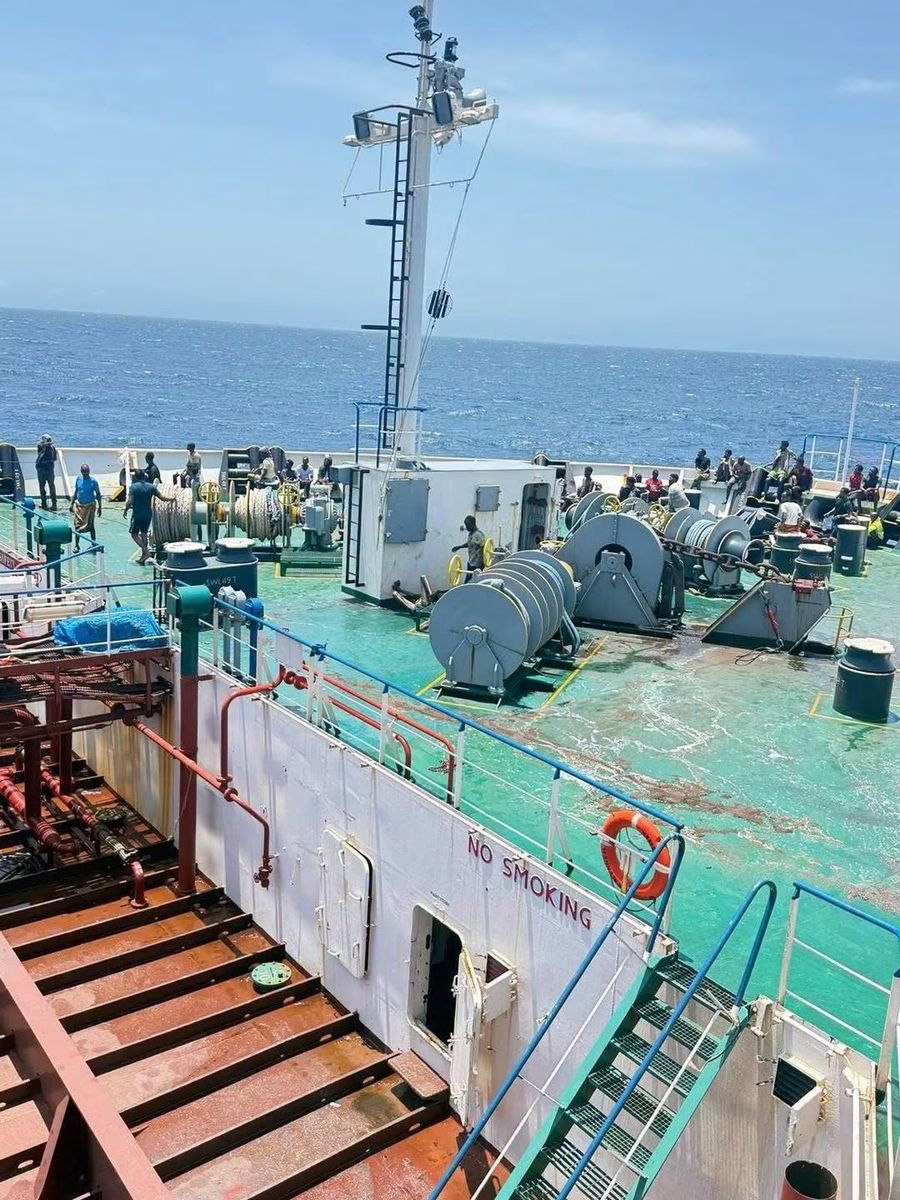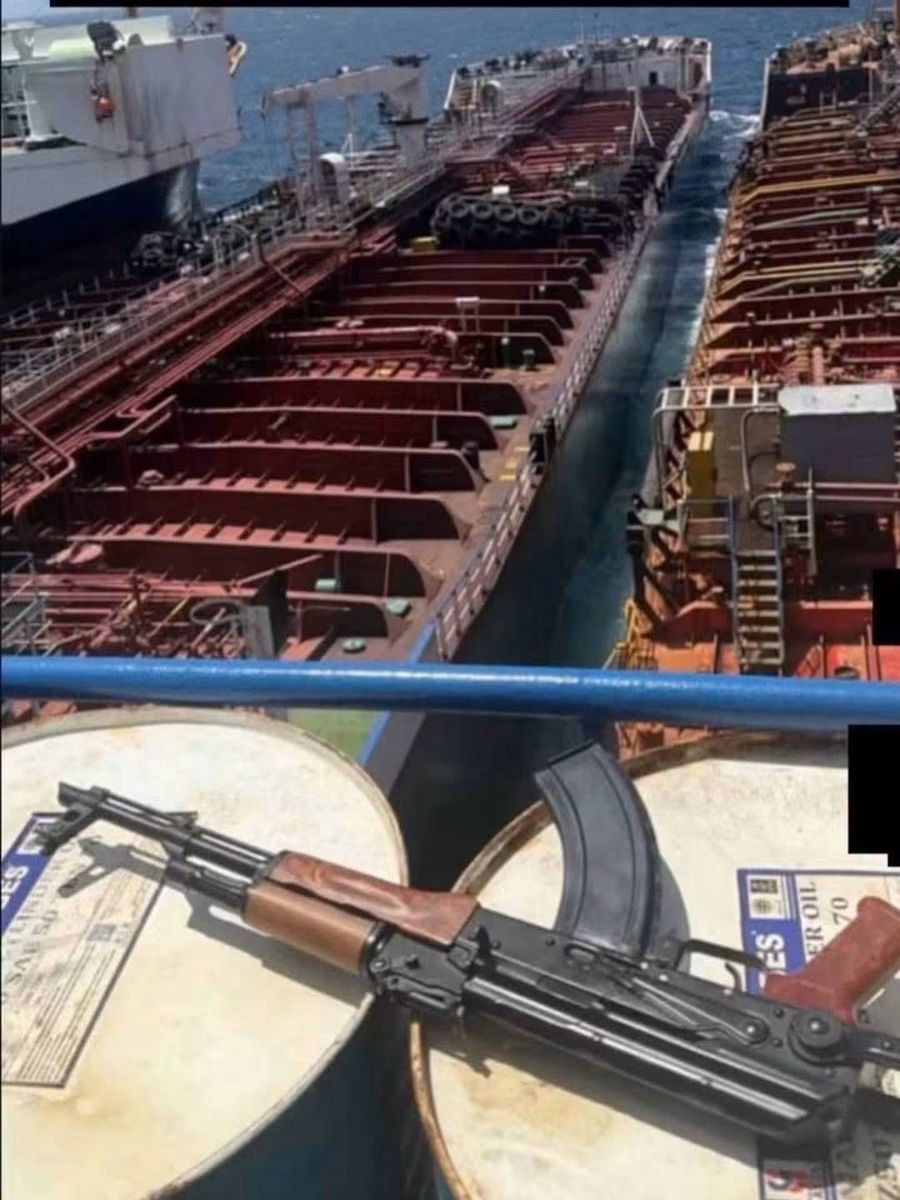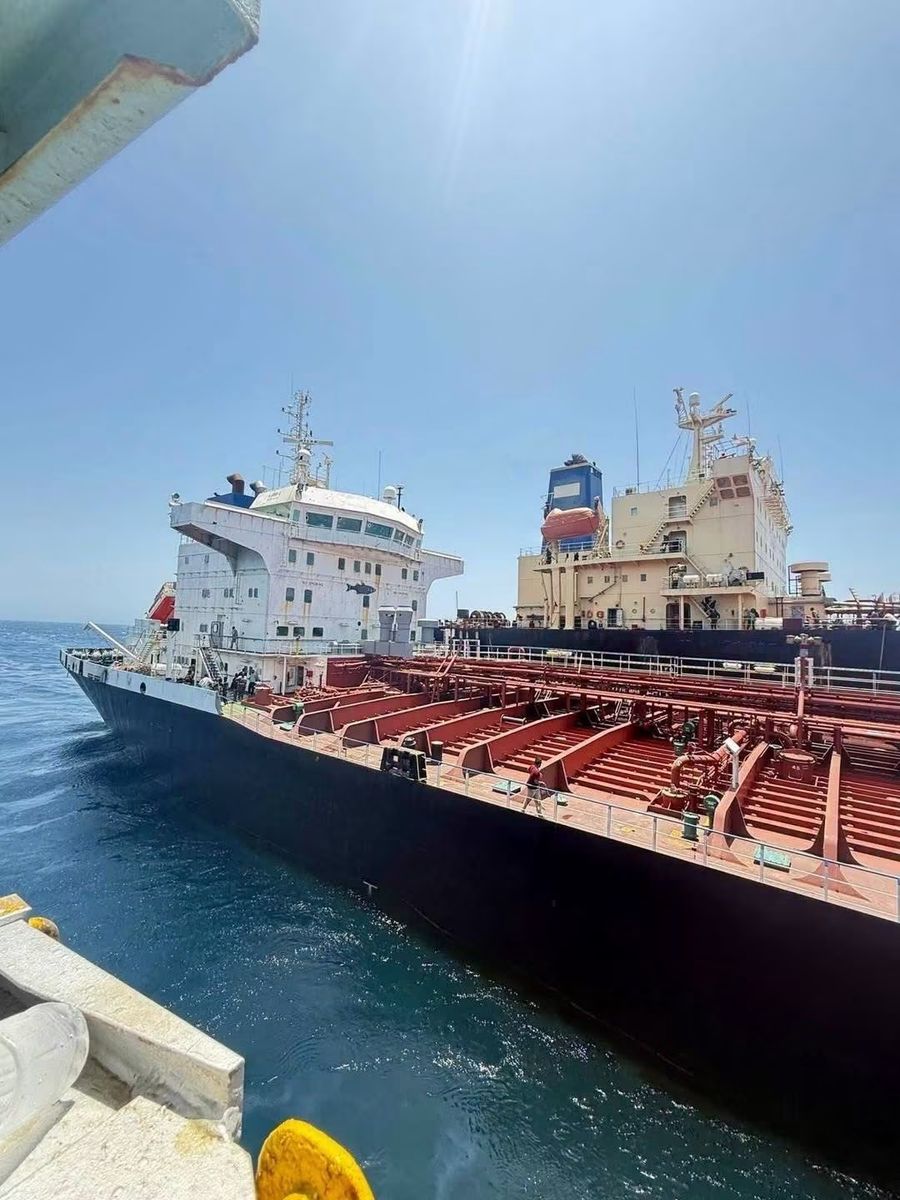
GAROWE, Somalia — September 26, 2026 — An Iraqi tribe has claimed that its members helped free the MTT-SIBU1 oil tanker from alleged Somali pirates in the Gulf of Aden, presenting an account that differs from Puntland authorities’ statement that their forces retook the vessel in an operation announced a day earlier.
Puntland said its security forces had forcibly regained control of the ship after it had been held by suspected Somali pirate groups for more than a month. The Iraqi tribal account, reported by Kurdistan24.net, said members of a Basra-based tribe coordinated an operation that secured the crew’s release and led to the capture of seven alleged attackers.
It was not immediately possible to independently verify either account or establish whether the reported Iraqi tribal operation was connected to Puntland’s stated recovery of the MTT-SIBU1.
Competing Accounts of Vessel Recovery
Puntland authorities said on Thursday that their forces had recovered the MTT-SIBU1 after the vessel was held by Somali pirate groups for more than a month. The authorities did not immediately provide a detailed public account of the operation, including its location, whether arrests were made or whether there were any injuries or damage to the vessel.
The announcement marked a significant development in a case that has drawn renewed attention to piracy threats in waters near Somalia and the Gulf of Aden.
However, an Iraqi tribe has also claimed a central role in the vessel’s recovery. According to Kurdistan24.net, 40 members of the Al-Shaghanba tribe from Iraq’s southern Basra province helped free an oil tanker that had been seized by pirates in the Gulf of Aden.
Citing Sheikh Ali al-Shaghanbi, Kurdistan24 reported that the tanker belonged to a member of the Al-Shaghanba tribe and that the crew had been held by attackers who demanded ransom for their release.
The report did not explicitly identify the tanker as the MTT-SIBU1. It also did not state when or precisely where the alleged operation took place.
Iraqi Tribal Claim
According to Kurdistan24, Sheikh al-Shaghanbi said tribe members from Abu al-Khasib district and the village of Jikour mobilized after learning of the alleged hijacking. He said they coordinated with contacts outside Iraq to recover the ship.
The tribal sheikh said seven alleged pirates were captured during the operation while others escaped, according to the report. The claimed arrests, the identities of those involved and the status of the crew could not be independently verified.
The tribe also said it had been in contact with Somalia’s Federal Government and had monitored the vessel before regaining control of it. Somalia’s federal authorities had not publicly commented on the tribal claims at the time of publication.
The report did not name any Somali, Iraqi or international security authority that participated in the alleged operation. It also did not provide evidence confirming the claimed ownership of the vessel or the reported capture of seven suspected attackers.
Key Questions Remain
The differing accounts leave several key questions unanswered, including whether Puntland forces and the Iraqi tribe were involved in the same recovery operation, whether the tanker mentioned by Kurdistan24 was the MTT-SIBU1, and who currently has custody of the vessel and any suspects.
Puntland had said the MTT-SIBU1 was under the control of Somali pirates for more than a month before its forces retook it. The Iraqi tribal account similarly described an oil tanker hijacked in the Gulf of Aden, but it did not identify the ship by name.
Neither side’s account has been independently confirmed by maritime security agencies, the vessel’s operator or owner, or Somalia’s Federal Government.
A public clarification from Puntland, Mogadishu, the vessel’s owner or relevant maritime authorities could help establish the circumstances of the recovery and whether the reported operations were linked.
Piracy Concerns Off Somalia
The claims come amid renewed concern over piracy and armed attacks against commercial shipping in waters around Somalia, the Gulf of Aden and the western Indian Ocean.
Somali piracy declined sharply from the levels seen more than a decade ago after international naval patrols, improved security measures aboard commercial vessels and coordinated action by regional authorities. However, recent attacks and attempted hijackings have raised concerns that criminal networks may seek to exploit gaps in maritime security.
The Gulf of Aden is one of the world’s most important shipping routes, linking the Red Sea and Suez Canal with the Indian Ocean. Any disruption to vessels travelling through the area can affect international trade and place seafarers at risk.
For Somalia, a resurgence in piracy would also raise wider security challenges. Coastal authorities face the task of monitoring long stretches of shoreline while addressing illicit fishing, arms trafficking, human smuggling and the activities of armed groups.
Puntland authorities have not publicly responded to the Iraqi tribe’s account. The Federal Government of Somalia, maritime security bodies and the vessel’s owner or operator had also not issued statements clarifying the competing claims.