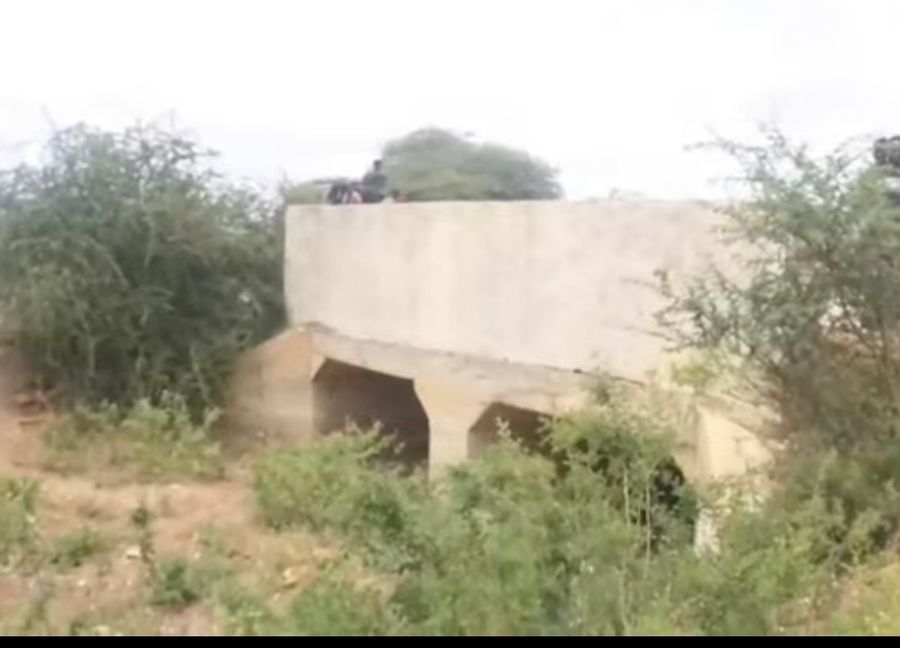
LOWER SHABELLE, SOMALIA — Nov 2, 2026 — Three strategic bridges along the vital road connecting Leego and Jameeco have reportedly been destroyed amid a tense military buildup by Somali federal government forces and Al-Shabaab militants, raising serious concerns over transportation, civilian movement, and humanitarian access across Lower Shabelle and neighboring Bay region.
According to security sources, the largest of the three structures, Leego Bridge, is among those reportedly destroyed. The bridges have served as essential transport links for communities that depend on the corridor for commercial activities, food deliveries, agricultural trade, and access to basic services.
The reported destruction comes approximately one week after heavy fighting erupted near Jameeco on October 26, when Somali government troops conducting Operation Banooda encountered Al-Shabaab militants during a major military offensive toward Buurhakaba.
Although the fighting has since subsided, security sources indicate that both warring sides are continuing to mobilize forces and reinforce their positions, fueling fears of renewed confrontation along the strategically important route.
Deadly Fighting Near Jameeco on October 26
The latest developments follow one of the most significant confrontations between Somali federal forces and Al-Shabaab militants in the area in recent weeks.
On October 26, a large government military operation targeting positions near Jameeco encountered fierce resistance, with militants reportedly deploying explosives-laden vehicles and launching attacks against advancing government troops.
The offensive, known as Operation Banooda, was part of a broader federal military campaign along the strategic corridor connecting Lower Shabelle with Buurhakaba and other parts of Bay region.
Somalia’s Ministry of Defence subsequently announced that approximately 75 Al-Shabaab fighters had been killed and 56 others wounded during several hours of fighting.
Separate accounts from soldiers and local security sources indicated that federal forces suffered substantial losses, including fatalities, injuries, and damaged military vehicles.
Al-Shabaab claimed to have killed 321 government soldiers and captured military equipment. That figure remains unverified, and the competing accounts demonstrate the difficulty of establishing an accurate casualty toll.
The confrontation exposed the dangers facing military convoys operating along routes where insurgents retain the ability to conduct ambushes and disrupt troop movements.
Tense Military Buildup Raises Fears of Renewed Clashes
Despite the absence of ongoing fighting in Leego, the security situation remains fragile.
According to security sources, both Somali federal government forces and Al-Shabaab militants have been mobilizing additional personnel and strengthening their military positions following last week’s confrontation.
The reported buildup has heightened concerns that another round of hostilities could erupt if either side attempts to advance through the contested corridor.
The destruction of the bridges could further complicate the movement of vehicles, including military convoys, commercial trucks, and civilian transport.
For government forces, damaged infrastructure may create additional logistical difficulties during operations intended to secure strategic routes toward Bay region.
For local communities, however, the consequences could be considerably more severe, particularly if the damaged crossings remain unusable for an extended period.
Critical Lifelines for Lower Shabelle and Bay Residents
Beyond their military significance, the three bridges have played an important role in connecting communities across southern Somalia.
Residents and traders rely on road infrastructure linking Lower Shabelle and Bay to transport agricultural products, livestock, food supplies, and other essential commodities.
The loss of these crossings could force transport operators to seek alternative routes, potentially increasing travel distances, transportation costs, and exposure to insecurity.
Communities dependent on regular deliveries could face shortages or rising prices if commercial movement is significantly disrupted.
The damage may also affect access to medical treatment, educational facilities, and humanitarian assistance, particularly for residents of rural settlements with limited transportation alternatives.
Humanitarian organizations operating in southern Somalia already face challenges associated with insecurity, damaged infrastructure, and restricted access to vulnerable populations.
Leego’s History of Major Al-Shabaab Attacks
Leego has long been associated with significant military confrontations involving Al-Shabaab and Somali or international security forces.
On June 26, 2015, Al-Shabaab militants launched a major attack against an African Union peacekeeping base in Leego, using a vehicle-borne explosive device before storming the installation.
The assault killed dozens of Burundian peacekeepers and became one of the most serious attacks against African Union forces during that period.
The incident demonstrated the militants’ ability to mount coordinated attacks against heavily defended military positions.
Historically, Al-Shabaab has also targeted transport infrastructure to disrupt military movements.
During a September 2015 assault on an African Union base in Janaale, militants disabled a bridge, restricting a potential withdrawal route.
Strategic Importance of the Buurhakaba Corridor
The Leego–Jameeco route forms part of the wider transport network connecting Mogadishu with communities in Bay region, including Buurhakaba and Baidoa.
Its importance has increased amid recent military operations and political tensions surrounding control of key towns in South West State.
Buurhakaba occupies a strategically significant position along the main road toward Baidoa, making access to the surrounding corridor important for military logistics, commercial transportation, and regional connectivity.
The October 26 fighting demonstrated the difficulties confronting federal forces attempting to advance through contested territory.
With both sides reportedly continuing their military buildup, the destruction of critical bridges introduces another challenge to an already volatile security environment.
Growing Uncertainty for Civilians
For residents of Lower Shabelle and Bay, the immediate concern is whether essential transportation links can be restored before the security situation deteriorates further.
The reported destruction of three bridges threatens to compound existing challenges associated with insecurity, economic hardship, and limited humanitarian access.
While military attention remains focused on troop movements and the possibility of renewed confrontation, civilian communities may bear the greatest consequences of prolonged infrastructure disruption.
Baidoa Online | Southern Somalia Security Report